After Japan’s great earthquake of 2011, a tsunami almost entirely demolished the region around the city of Rikuzentakata and thousands died. The city is now undergoing immense reconstruction to elevate the area as a countermeasure against future tsunami waves. Using local rocks to raise the land, however, has led to severe damage to surrounding mountains.
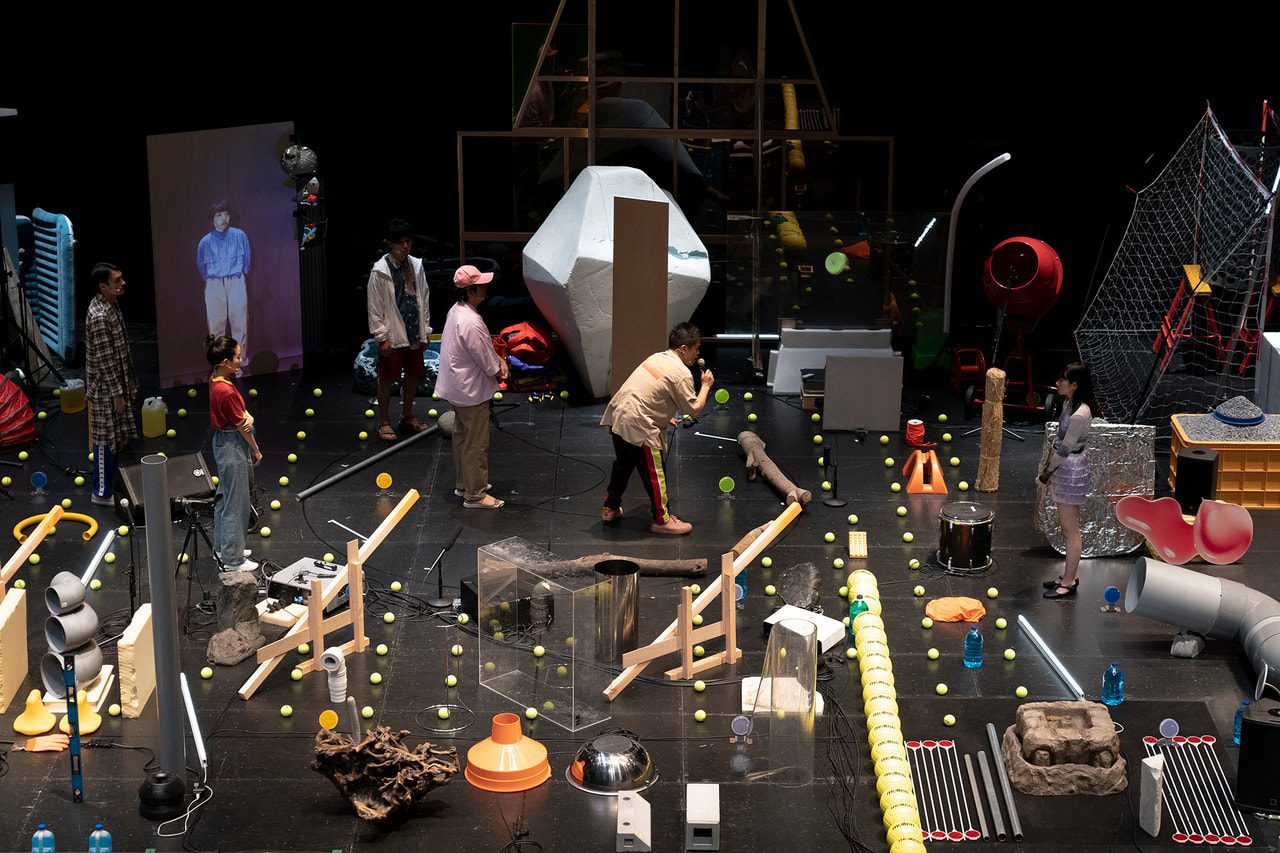
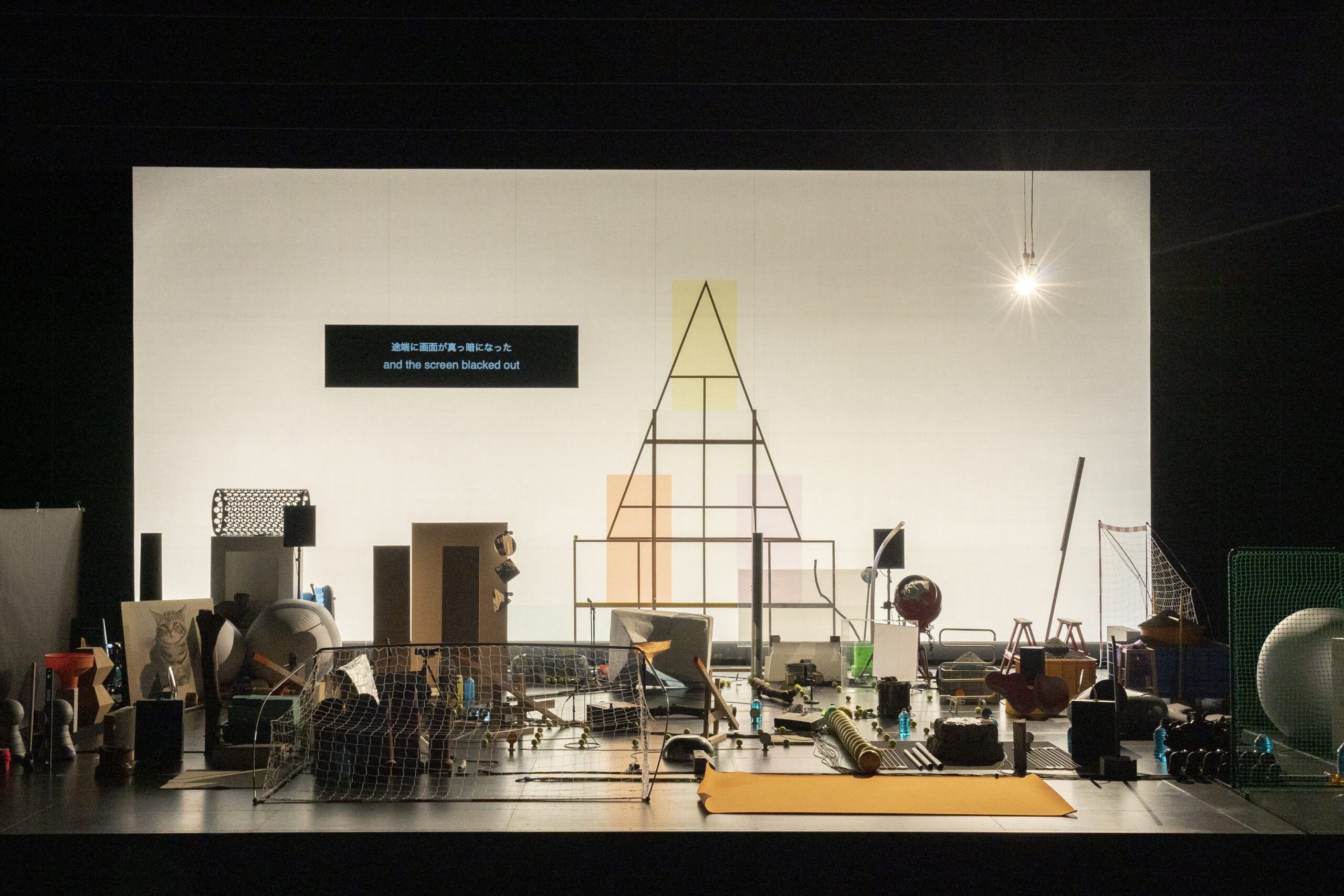
In Eraser Mountain, Japanese director Toshiki Okada and visual artist Teppei Kaneuji question this human-centric approach to the problem and ask us to reimagine the relationships between people, objects, and the world:’
Is it possible to create theater not only for the people watching at one moment in time? Can we use theater to present a world in which people and objects are completely equal, rather than trapped in their usual subservient relationship?
Learn more about Toshiki Okada and chelfitsch. Learn more about Teppei Kaneuji.
RELATED EVENTS
RELATED EVENTS
- Fri Feb 28 – Sat Feb 29, 2020
Toshiki Okada / chelfitsch / Teppei Kaneuji: Eraser Mountain
- Theater
OFFICE HOURS
OFFICE HOURS
Toshiki Okada & Tadashi Uchino in conversation about Eraser Mountain.
READ ALL ABOUT IT
READ ALL ABOUT IT
Snapshot | Toshiki Okada
“I’ve changed the way I have written and who I write for. I used to live in Tokyo and write for that audience. Now, I really stretch my imagination to think how my work will be perceived by those who don’t share my language or culture. It’s a big change.”
An Interview With chelfitsch’s Toshiki Okada
“I believe spoken language in theatre is important, but at the same time it is only part of theatre. And I think also language must affect the body that speaks it. Language affects not only speech but also the whole performance.”
Interview: Teppei Kaneuji
When I make an artwork I prioritize process and method, so that the object itself is simply something born from the process. Thus, in a sense, the work is itself the tool. The tools, materials, and artwork are interchangeable.
Interview with Japanese Artist Teppei Kaneuji
“Even though we are looking at the same piece of art or object, how we interpret it differs according to one’s experience or cultural background. The things you know and the things you don’t also differ and that is beyond our control.”