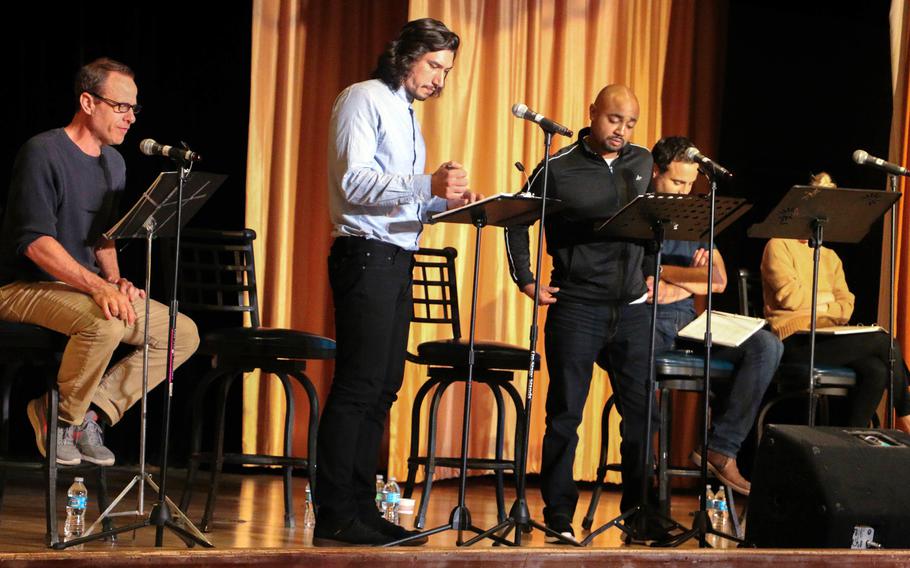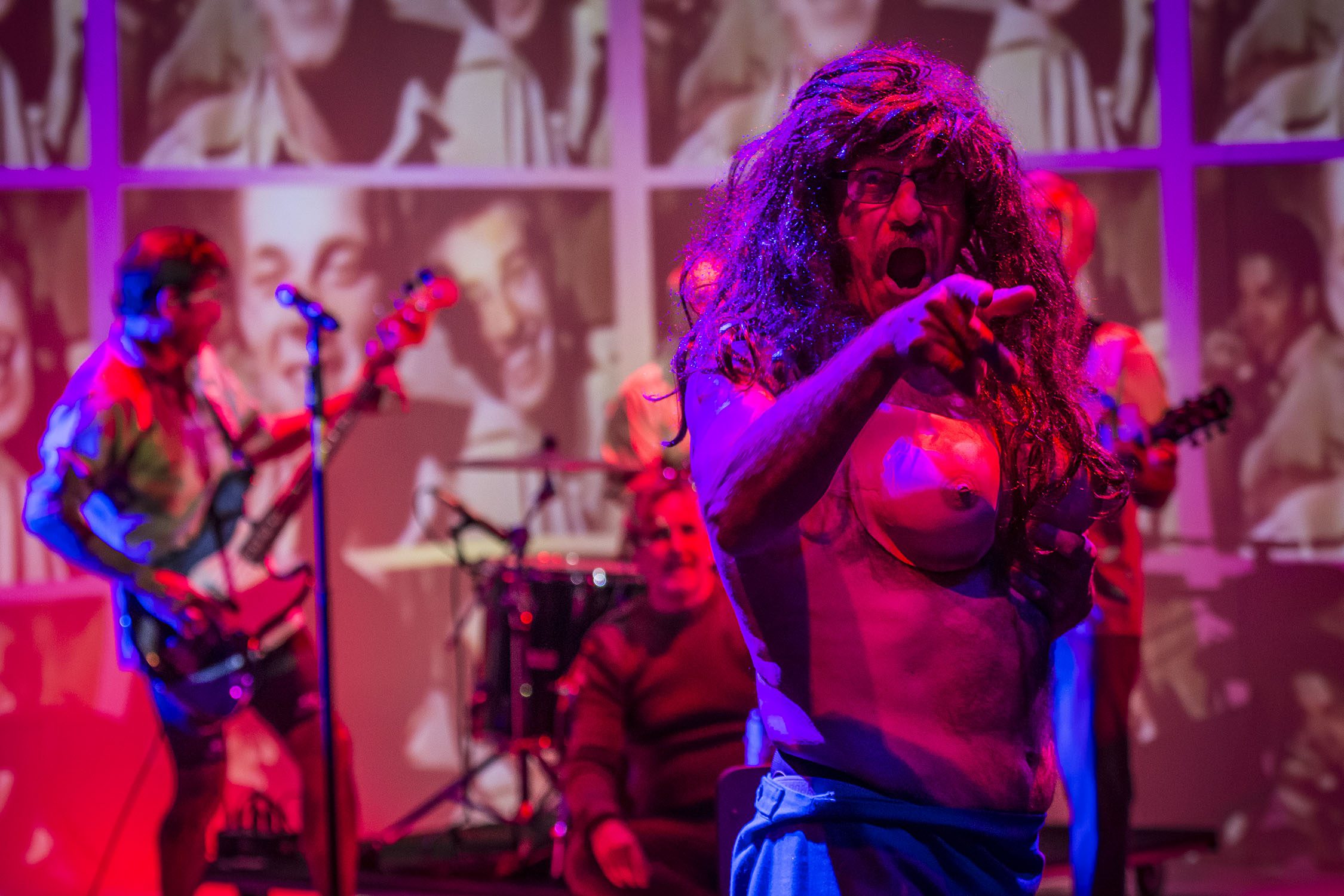
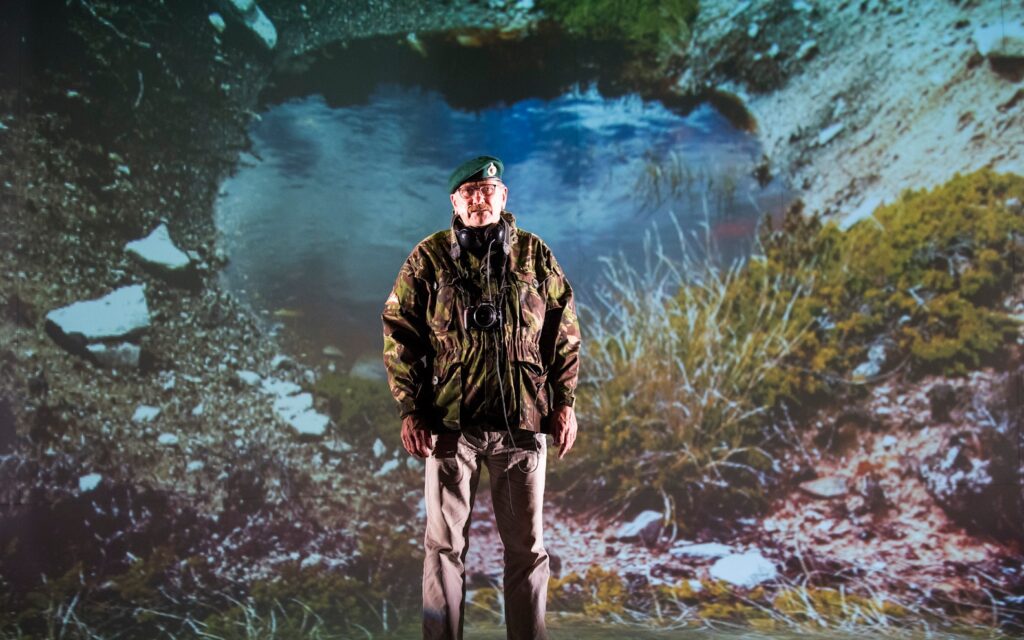
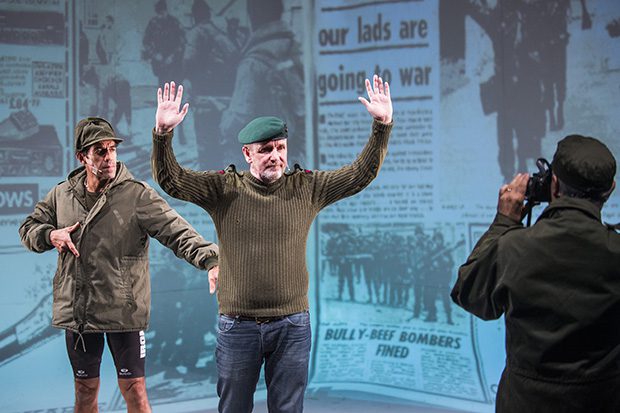
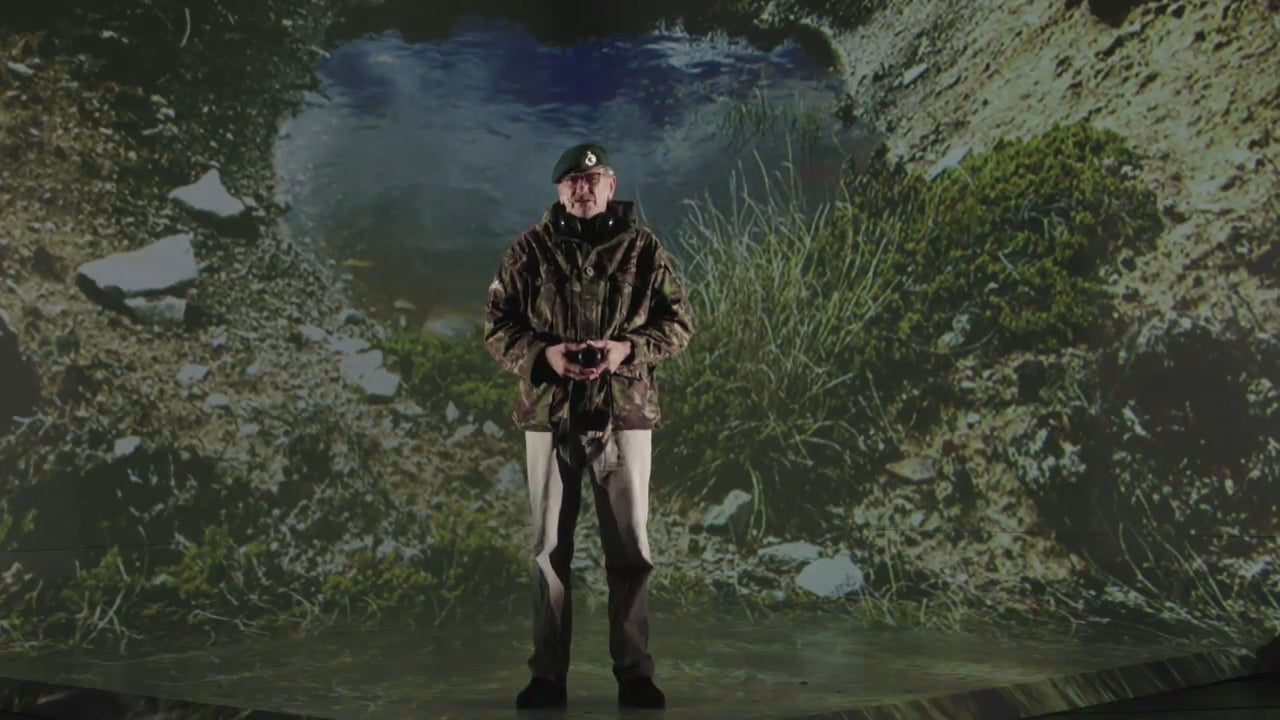
Lola Arias is an Argentinian writer, theatre and film director and performer. Her award-winning work Minefield is a project that reunites Argentine and British veterans from the Falklands/Malvinas war to explore what is left of it in their heads 34 years later.
Learn more about Lola Arias and Minefield (and the Minefield book).
RELATED EVENTS
RELATED EVENTS
GET INTO IT
GET INTO IT
GET THEE TO THE LIBRARY
GET THEE TO THE LIBRARY
Recommended readings to accompany Jens Andermann’s Indefinite Article.
- Lola Arias, Minefield. Oberon Press, 2017.
- Jordana Blejmar, Playful Memories: The Autofictional Turn in Post-Dictatorship Argentina. Palgrave Macmillan, 2016.
- Martin Middlebrook, The Fight for the Malvinas: The Argentine Forces in the Falklands War. Viking, 1989.
- Noe Montez, Memory, Transitional Justice, and Theatre in Postdictatorship Argentina. Southern Illinois University Press, 2017.
- Jimmy A. Noriega and Analola Santana, editors, Theatre and Cartographies of Power : Repositioning The Latina/O Americas. Southern Illinois University Press, 2018.
READ ALL ABOUT IT
READ ALL ABOUT IT
Lola Arias by Elianna Kan
“I wanted people with stories, whether or not they were actors.”
Minefield director and writer Lola Arias: ‘My shows are living creatures that evolve’
Minefield doesn’t try to gloss over its process.
Minefield is a powerful act of remembrance – review
Minefield… proves no arid history lesson. Lola Arias has created a powerful act of remembrance.
Minefield: the Falklands drama taking veterans back to the battle
Like Arias’s previous, celebrated shows, it treats individual lives as historical documents that can tell us much, often more than any history book.
Minefield, Royal Court London, theatre review: Unforgettably potent
The show doesn’t go in for phony redemptive uplift. It recognises the tensions that still exist.
PTSD, Ecstasy, Art
PTSD, Ecstasy, Art
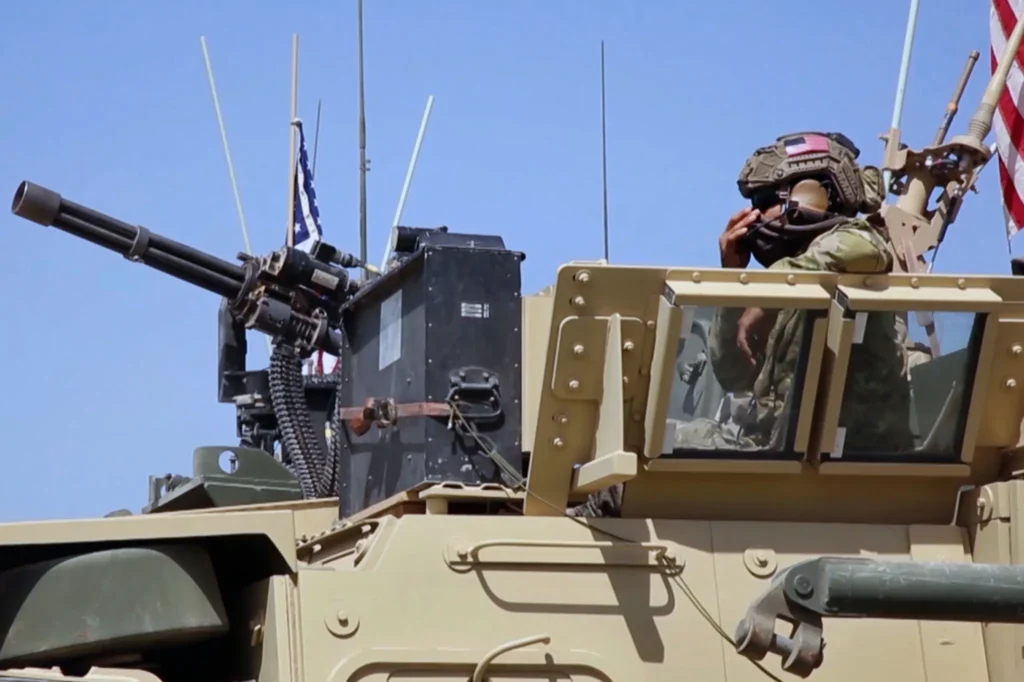
Debunking Stereotypes Around Veterans and PTSD
The New York Times “asked readers to tell us about stereotypes they have encountered about veterans and post-traumatic stress disorder and the ways in which they have challenged them.”
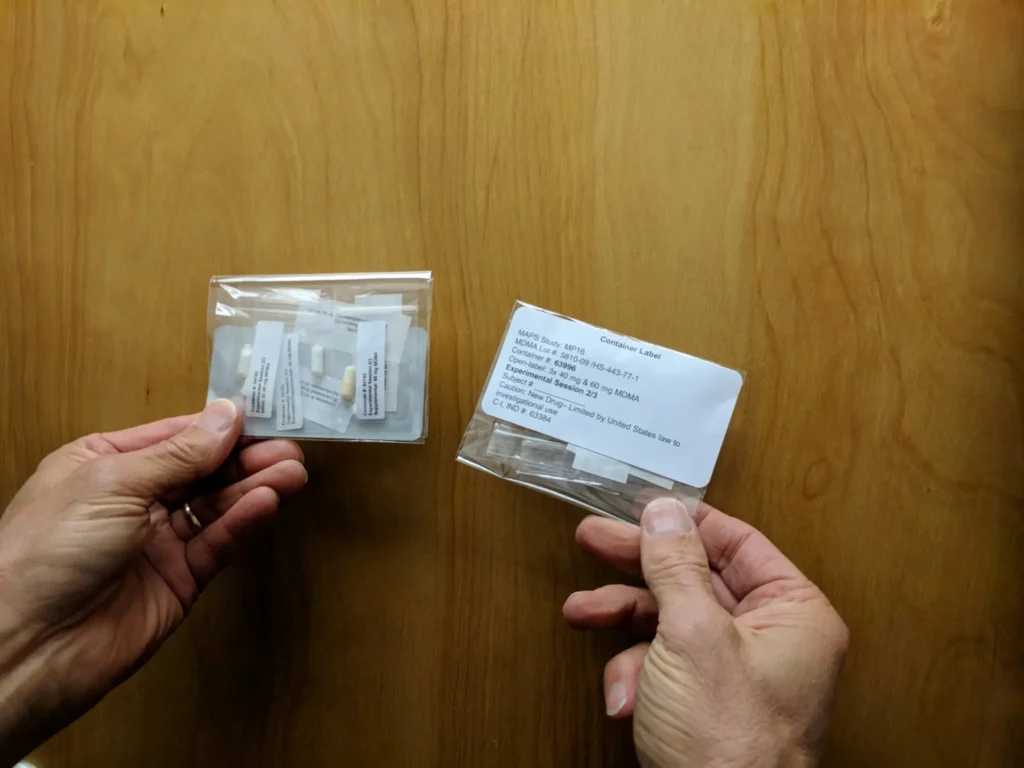
Ecstasy as a Remedy for PTSD? You Probably Have Some Questions.
The drug known by the street names Ecstasy or Molly could be a promising treatment for post-traumatic stress disorder, according to a new study.
National Center for PTSD
Posttraumatic stress disorder (PTSD) is a mental health problem that some people develop after experiencing or witnessing a life-threatening or traumatic event. If symptoms last more than a few months, it may be PTSD. The good news is that there are effective treatments.
Arts in the Armed Forces
AITAF brings high-quality arts programming to active duty service members, veterans, military support staff and their families around the world free of charge.