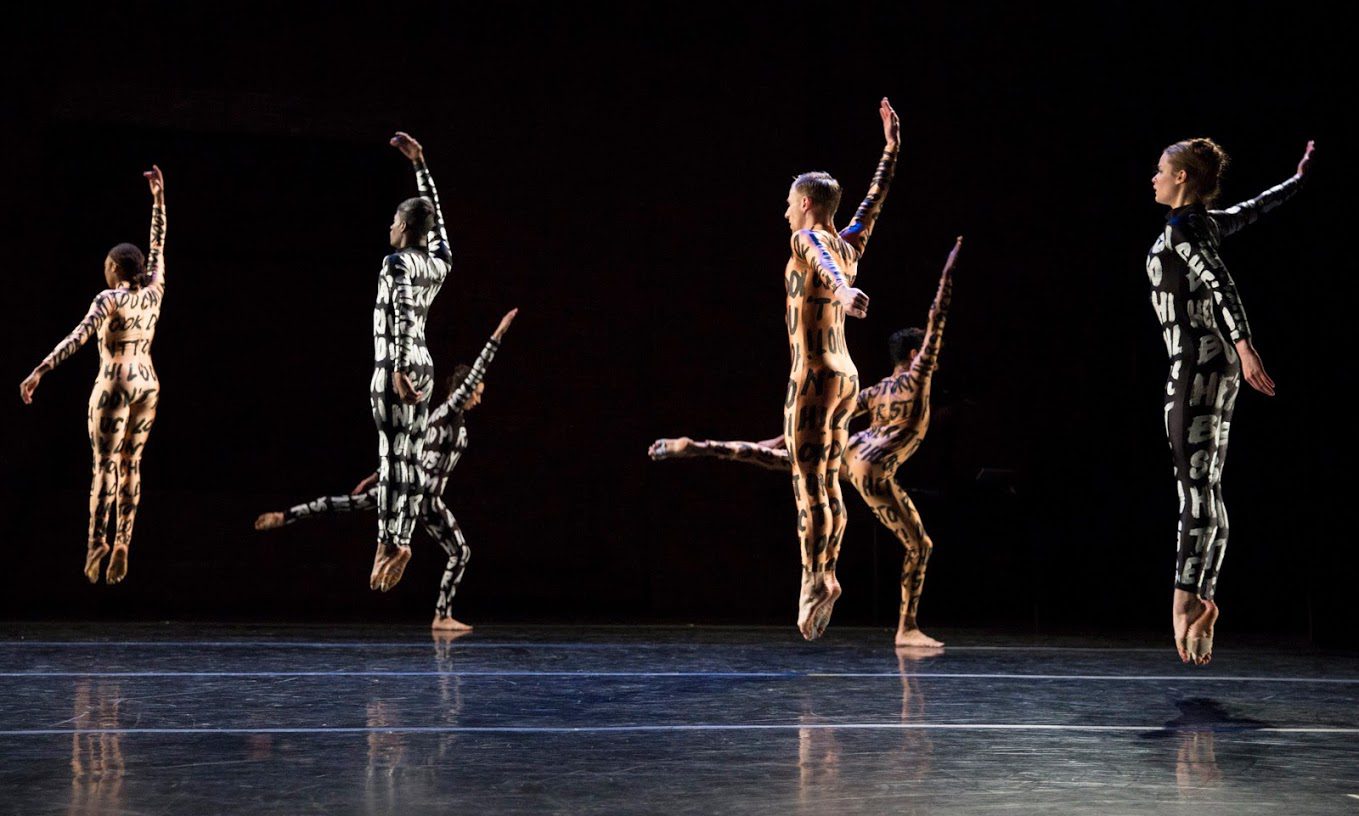
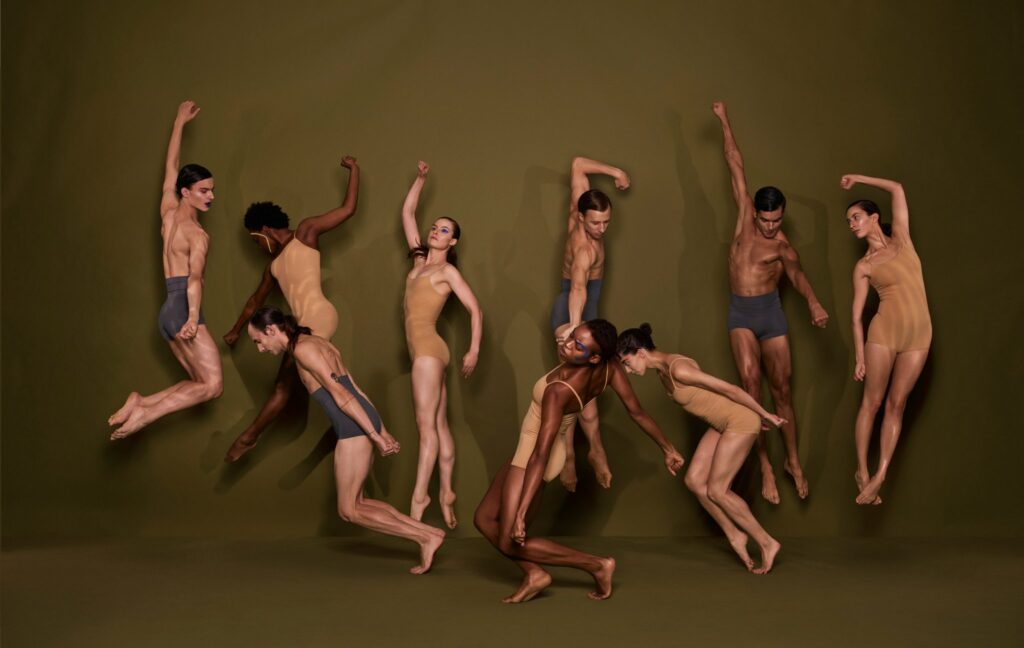
Acclaimed by audiences and critics alike, Stephen Petronio is widely regarded as one of the leading dance-makers of his generation. New music, visual art and fashion collide in his dances, producing powerfully modern landscapes for the senses. Founded in 1984, Stephen Petronio Company has performed in 26 countries throughout the world, including over 35 New York City engagements. www.Petron.io
“Bloodlines is a five-year project that began in 2015 to celebrate the Petronio Company’s 30th anniversary. Previous seasons have included works by Yvonne Rainer, Steve Paxton and Anna Halprin — as well as Trisha Brown, whose company Mr. Petronio danced with from 1979 to 1986.” (New York Times)
RELATED EVENTS
RELATED EVENTS

GET INTO IT
GET INTO IT

GET THEE TO THE LIBRARY
GET THEE TO THE LIBRARY
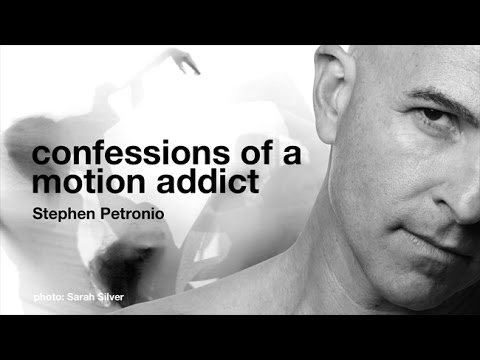
Readings to complement Lise Friedman’s Indefinite Article.
- Ramsay Burt, Judson Dance Theater. Routledge, 2006.
- Roger Copeland, Merce Cunningham: The Modernizing of Modern Dance. Routledge, 2003.
- Adrian Heathfield, ALLY: Janine Antoni, Anna Halprin, Stephen Petronio. Hirmer Publishers, 2018.
- Rudi Laermans, Moving Together: Making and Theorizing Contemporary Dance. Valiz/Antennae Series, 2015.
- Marc Strauss and Myron Howard Nadel, authors, Looking At Contemporary Dance: A Guide For The Internet Age. Princeton Book Company, 2012.
OFFICE HOURS
OFFICE HOURS
Stephen Petronio and Roger Copeland talk “Bloodlines”
READ ALL ABOUT IT
READ ALL ABOUT IT
Review: Stephen Petronio’s ‘Bloodlines’
“It’s as admirable as it is ambitious.”
Stephen Petronio Continues to Reckon With His Inspirations
“Petronio could hardly be more forcefully implementing his choreographic inspirations from the past to address the current cultural moment of female empowerment.”
Making Memory
Making Memory
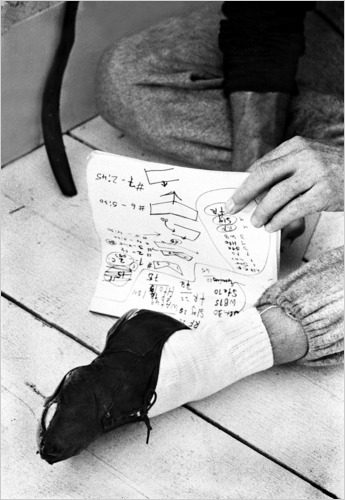
How do you write dance? Systems of dance notation have preoccupied dancers, choreographers and scholars: dig into some of the ways dance notation has developed to meet the needs of different artists. How does Petronio’s Bloodlines series contribute to the preservation of choreography?
Plus, learn about choreography archives & preservations with resources from the International Consortium for Advancement in Choreography.
How to Write a Dance
How do you tell a person in another place or time what a dance looks like, and how it should be performed? You could use words, describing, second by second, the movements made by every dancer on stage—but inaccuracies would creep in.
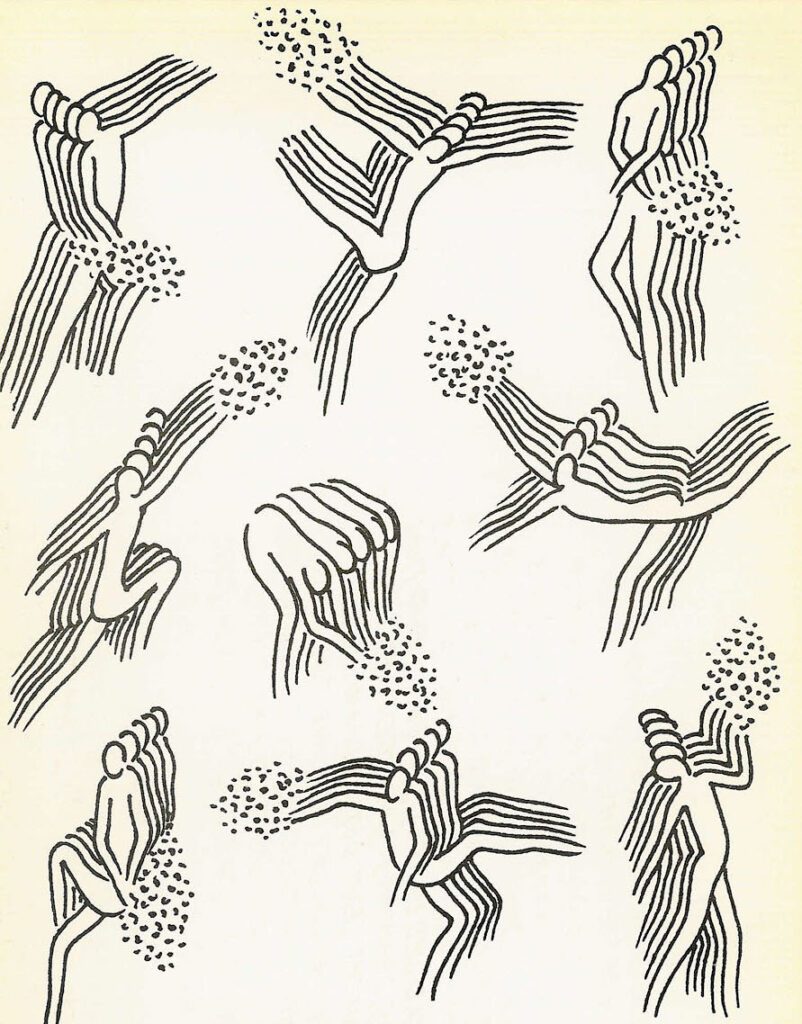
Dance Preservation is a Moving Target
How do you preserve a fleeting, ephemeral art form like dance? There’s no musical score, there’s no written text, and no painting to encase safely behind glass.
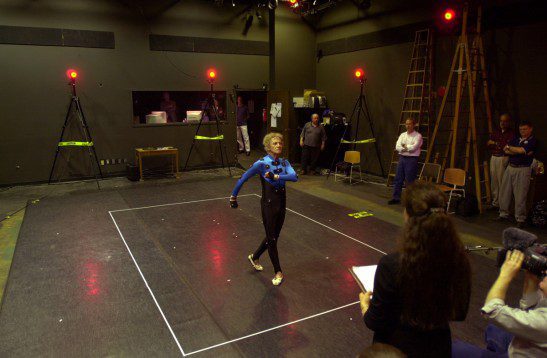
Can Modern Dance Be Preserved?
Dance is the most fragile of the arts. Happening in the moment, it evaporates after every rendering. Unlike drama and music, which also unfold in time, dance is not dictated by a written script or score.