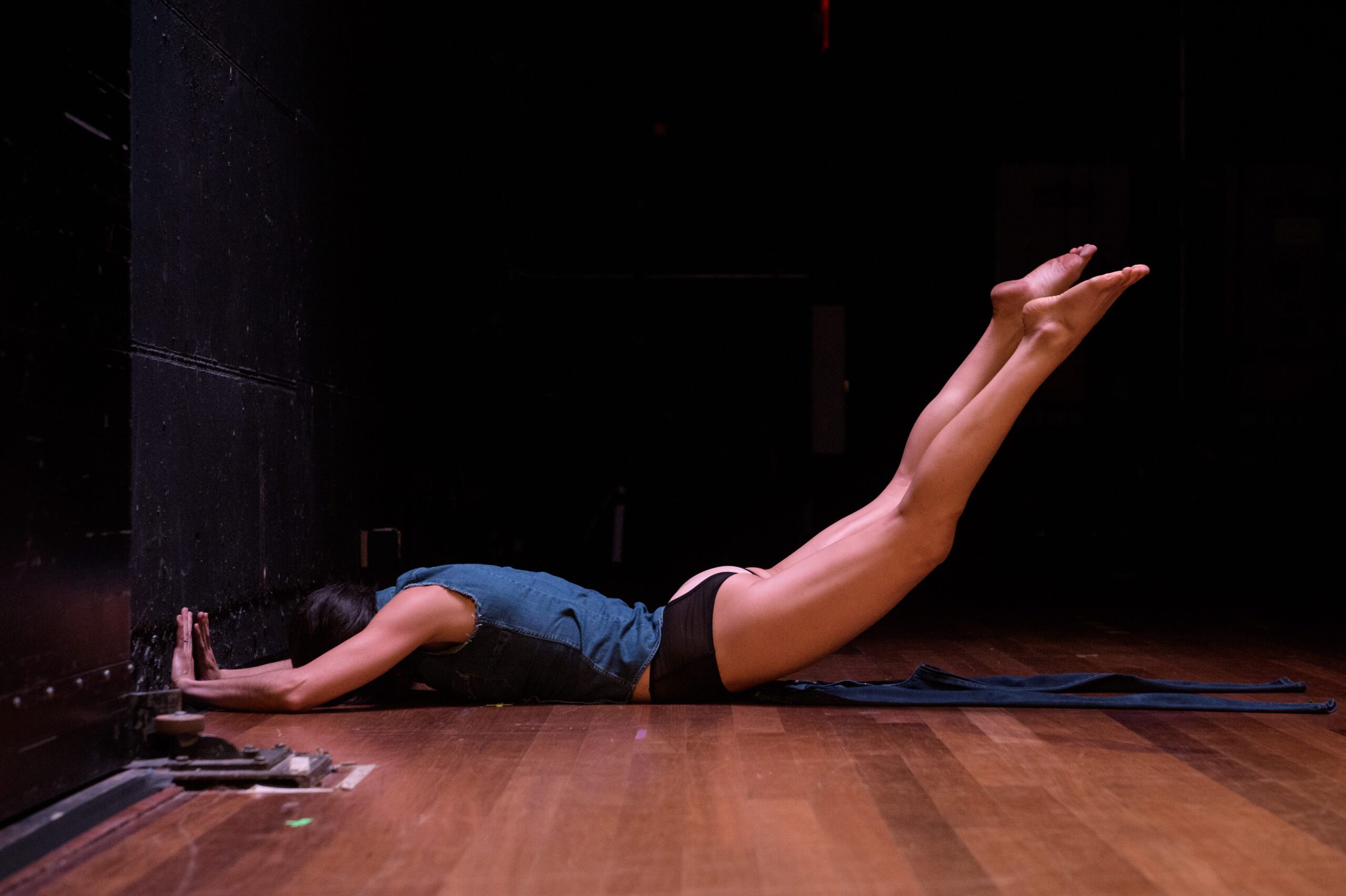
luciana achugar (yes, the lowercase is intentional!) is a Brooklyn-based choreographer from Uruguay whose work is concerned with pleasure in many forms and to many ends. In addition to the bio on her website, she also shares a mission statement in lieu of what’s more commonly called an artist’s statement – indicative of her approach to making art:

I make work as a practice of growing a new body. An uncivilized body, a decolonized body, a utopian body.
I make work as a practice of building a new theater, another/other theater, OTRO TEATRO, a utopian theater.
I make dances with a desire and rage called UTOPIA.
I make work from the rage of being a LatinAmerican living in the belly of the Empire in a post-colonial world.
I make work as a practice of growing as one would grow a plant.
I make work as a practice of growing… of growing a body of work; a practice of growing a collective body with all the participants including the audience, and of growing myself a new body; a utopian body, a sensational body, a connected body, an anarchic body… that is filled with pleasure, with love and magic.
I make work with a practice of being in pleasure. A practice of being in pleasure with a brain that melted down to the skin, the flesh, the bones, the guts, the sex, and with eyes that see without naming, they see without knowing.
I make work with a desire to escape the oppression of the arrow of time; to arrive at a place of beyond time, Body time… In Marissa Perel’s words when writing about OTRO TEATRO (2014): “But then to think about time differently. To go toward the slippage from one kind of time into another. OTRO TEATRO was three hours long, but it felt to me like no time. It was ritual time. It was a suspension of that other time, the schedule. […] It was an experience of another time with other bodies, it was an experience of a space that held all the bodies, and it was also a mass revolt. It was our task to be in this together, to allow ourselves to be overcome and to surrender to sensation.”
Brujx is a new work, commissioned for NYU Skirball’s On Your Marx festival. The title is a gender-neutral take on bruja, the Spanish word for witch.
RELATED EVENTS
RELATED EVENTS
GET INTO IT
GET INTO IT
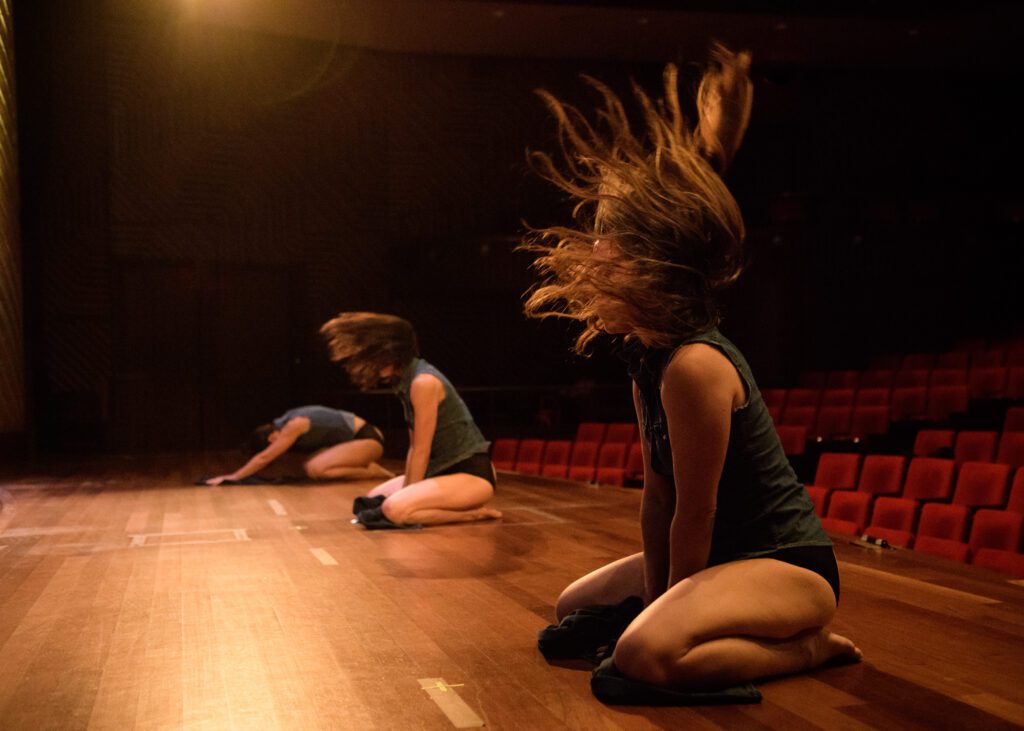
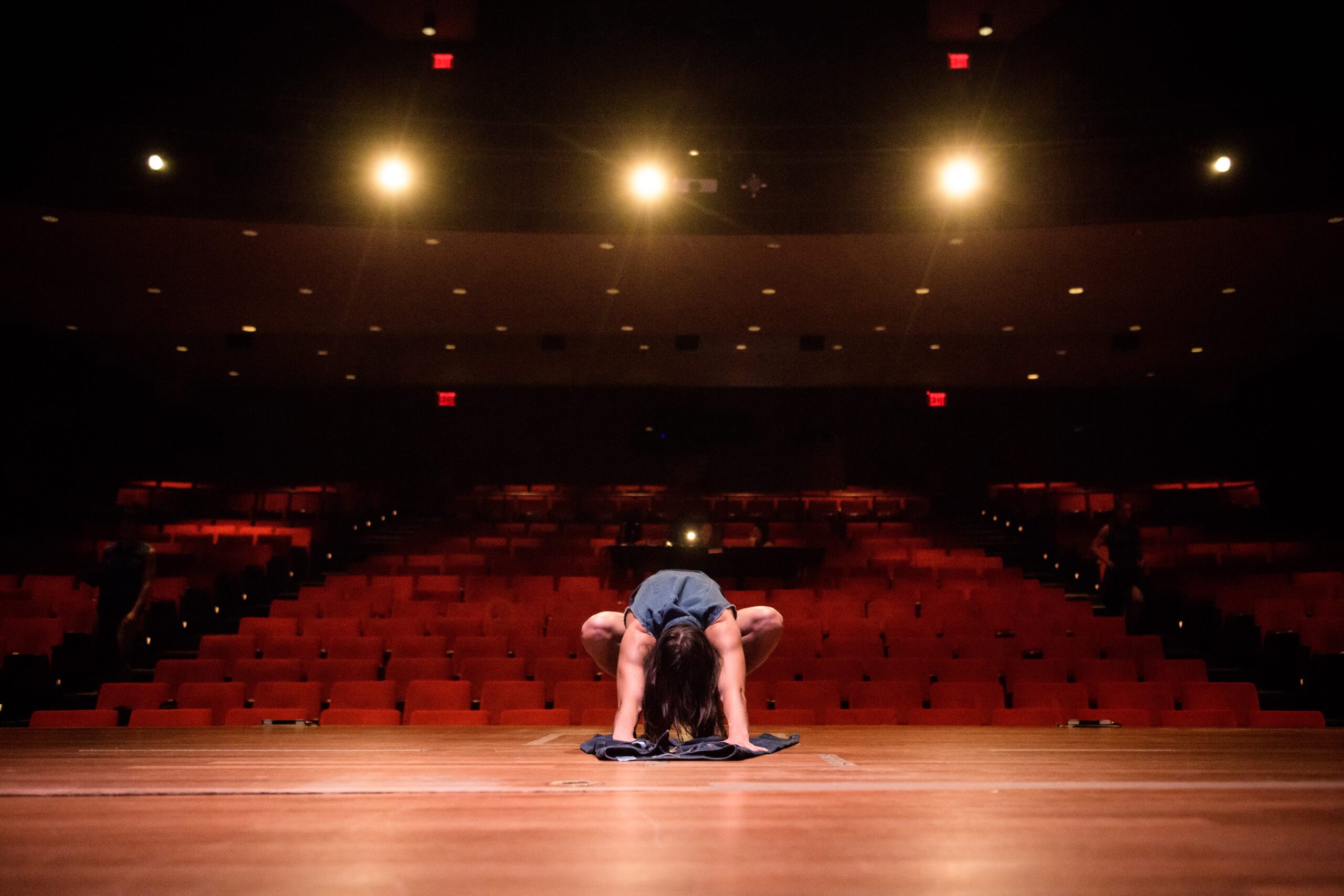
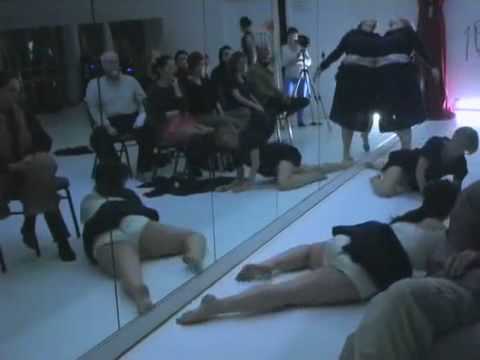
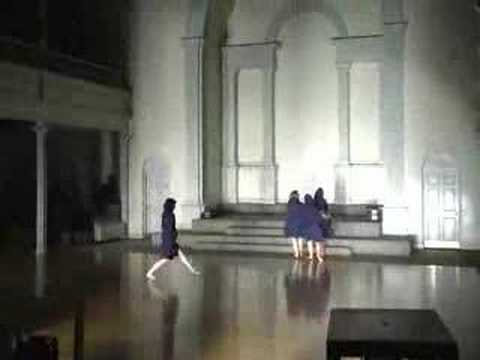
Brujx is a world premiere, so aside from this 8 second sneak peak, you’re going to have to see it for yourself. Meanwhile, get into some of luciana’s other work.
OFFICE HOURS
OFFICE HOURS
luciana achugar & André Lepecki
READ ALL ABOUT IT: In Her Own Words
READ ALL ABOUT IT: In Her Own Words
Luciana Achugar
Resisting capitalism through pleasure.
Pleasure to me is the ultimate resistance of capitalism; being in the moment and being in pleasure in your body.
Luciana Achugar in conversation with Beth Gill
I wanted to make a piece that was like a manifesto, that was not about individuality. It’s about community. It’s about the collective. It’s about us.
Luciana Achugar
The choreographer feels her way through the form of a new dance
This work is dealing with the pleasure of moving, the pleasure of being in one’s own body and going into that all the way.
X MARKS THE SPOT
X MARKS THE SPOT
The “X” in Brujx reflects a turn away from gendered language; replacing the a/o with what can be read as either a letter or a gesture of refusal, covering over the ways binary gender is codified in Spanish.
achugar is riffing on terms such as Latinx, which has gained popularity after being adopted by queer communities seeking gender-neutral alternatives in Spanish, and following a progression of binary-based, parity-seeking usages: Latina/Latino; Latina/o; Latin@; Latinx.
Latinx has moved out of queer communities and now circulates more widely – so much so that Merriam-Webster just noted the inclusion of Latinx in new editions of its dictionary in a September 2018 blog post: “Recent terms for identities are here, too, like… Latinx, a gender-neutral alternative to Latina and Latino.”
Read Ed Morales‘ thoughts on the term in the Guardian, for openDemocracy, and in a brand new book called Latinx: The New Force in American Politics and Culture; or listen to an episode of the podcast Conversations with People who Hate Me, in which Dylan Marron facilitates a conversation between two people with opposing views on the term.