The International Contemporary Ensemble returns to NYU Skirball with works from MacArthur “genius” and Columbia University professor George Lewis. Learn more about the show:
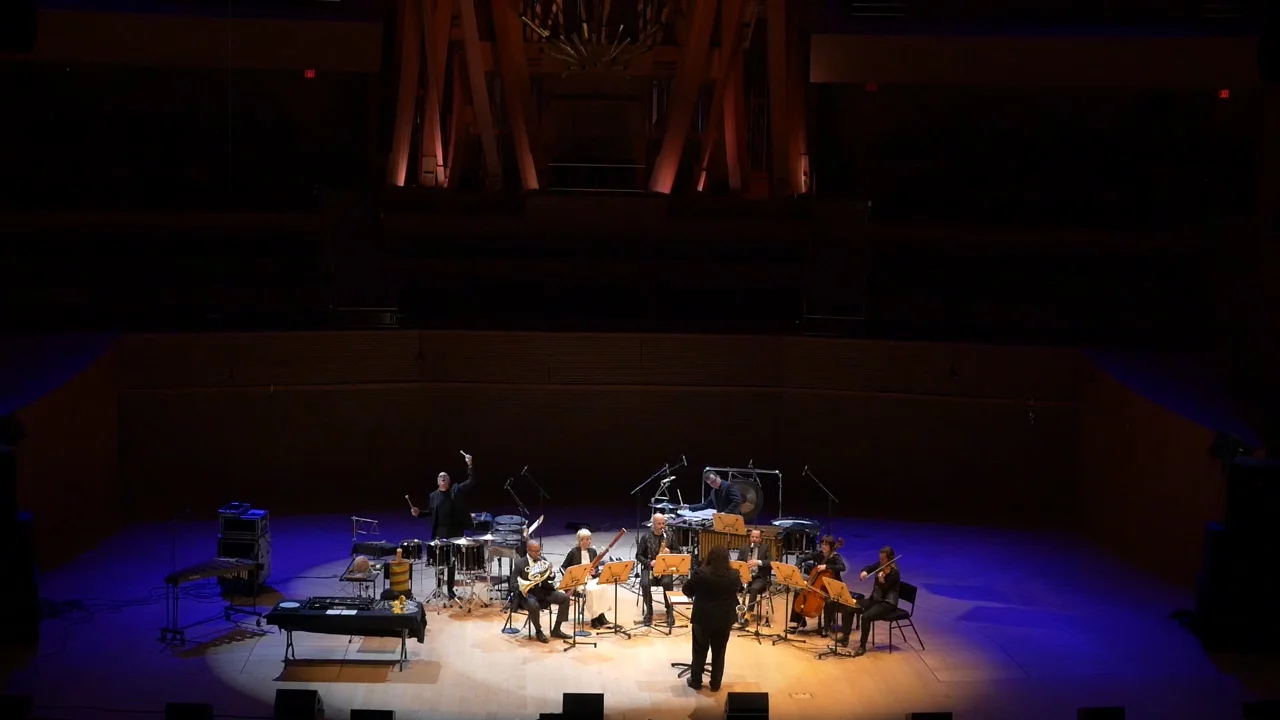
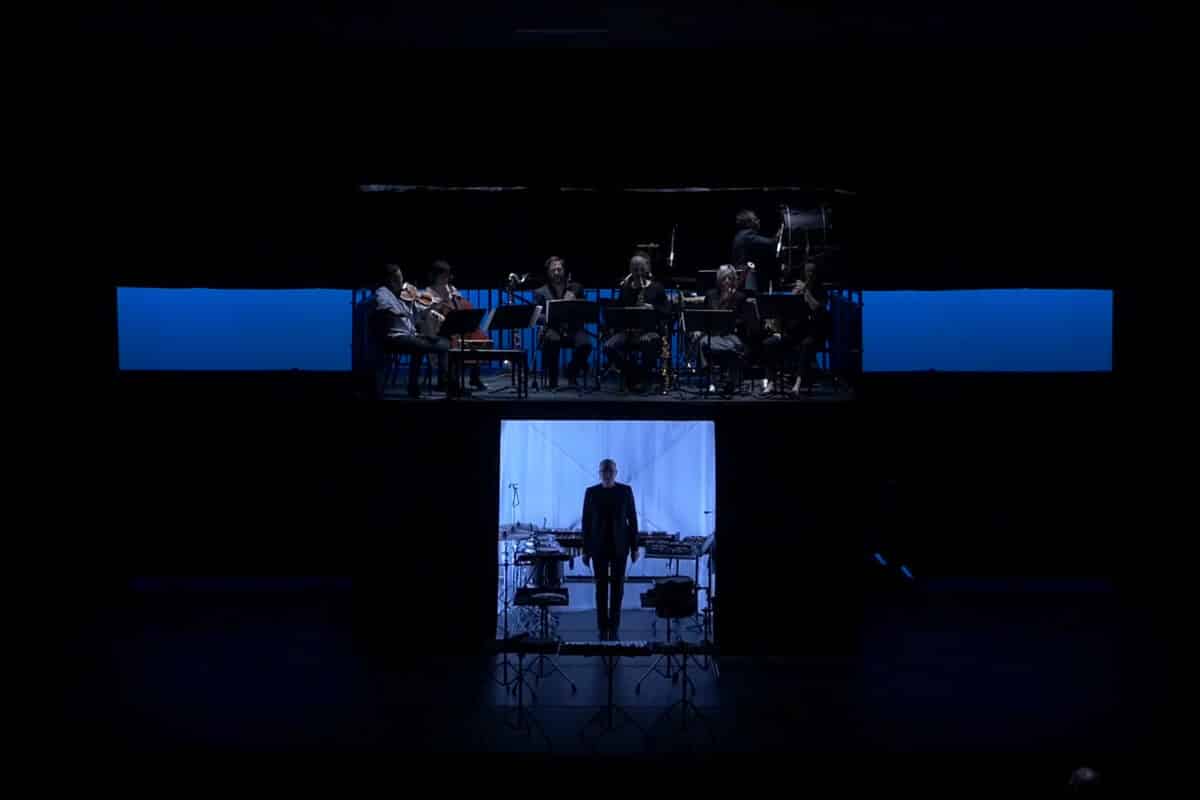
Building on a decade of collaborative work, the International Contemporary Ensemble, George Lewis, Steven Schick, and Jim Findlay present Soundlines, a monodrama in the style of a radio play that explores and confronts the relationships between self, identity, and personal journeys within complex social constructs. As a musical interpretation of percussionist Steven Schick’s journal documenting his 700-mile walk from the US-Mexico border to the San Francisco Bay Area in 2006, the work traverses space in order to transmit an introspective narrative. Soundlines: A Dreaming Track features a chamber ensemble of seven instruments and an array of digitally spatialized multichannel electronics.
P. Multitudinis, a musical epic that relies on intricate and wordless forms of group communication will, alternately, subsume and reveal the personal within the power of the collective. The work’s title, text, ethics, movement trajectories, and musical methodologies all derive from Spinoza’s notion of potentia multitudinis, presented in his 1677 Tractatus Politicus, published posthumously and later banned: “The right of a commonwealth is determined by the power of a people that is guided as though by a single mind. But this union of minds could in no way be conceived unless the chief aim of the commonwealth is identical with that which sound reason teaches us is for the good of all men.”
RELATED EVENTS
RELATED EVENTS

GET THEE TO THE LIBRARY
GET THEE TO THE LIBRARY
Recommended readings to accompany the Indefinite Article by Malik Gaines.
- Naomi Beckwith and Dieter Roelstraete (Editors), The Freedom Principle: Experiments in Art and Music, 1965 to Now. The University of Chicago Press, 2015.
- Anthony Elms (Editor), Endless Shout. Institute of Contemporary Art/University of Philadelphia, 2019.
- George E. Lewis, A Power Stronger Than Itself: The AACM and American Experimental Music. University of Chicago Press, 2008.
- Fred Moten, In the Break: The Aesthetics Of The Black Radical Tradition. The University of Minnesota Press, 2003.
- Steven Schick, The Percussionist’s Art: Same Bed, Different Dreams. University of Rochester Press, 2015.
OFFICE HOURS
OFFICE HOURS
September 12, 2019: Leila Adu-Gilmore interviews George Lewis about “Soundlines”
MEET GEORGE LEWIS
MEET GEORGE LEWIS
George Lewis by Jeff Parker
“Why should music be necessarily secular, with no spiritual component, necessarily apolitical with no claims on society? That’s kind of out of touch with the realities that we face.”
Overdue Ovation for George Lewis
After 40 years as a “composer, electronic performer, installation artist and trombone player,” Lewis continues to push boundaries at the intersection of creative expression and technological innovation.
MEET Steven Schick
MEET Steven Schick
Features: Steven Schick
“I think the pieces I play are like amber in the way amber traps all these natural things that have tried to go through it.”
In Review: George Lewis’s Soundlines
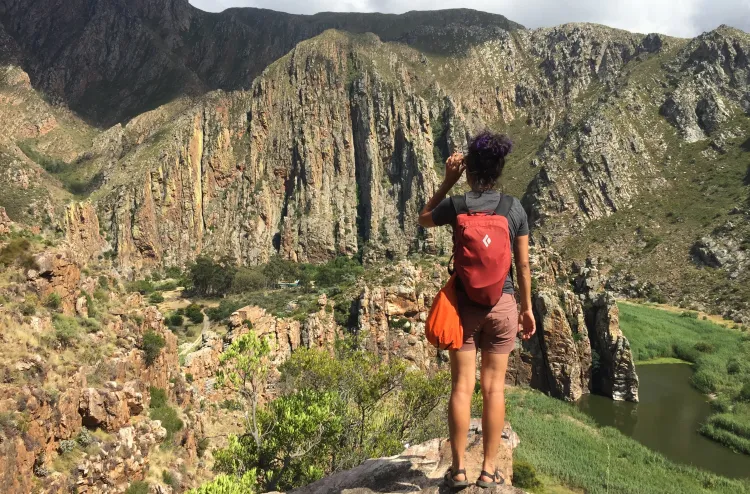
Sometimes, I get the urge to walk forever. The sidewalk stretches out in front of me and I imagine my feet stepping one after the other until I slip between the cracks in the world and disappear. I don’t know if percussionist Steven Schick feels similar yearnings, but he did once walk, over the course of six weeks in 2006, from the U.S./Mexico border to San Francisco, a journey of some 700 miles.
Walking Politics
Walking Politics
Travel and nature writing are fields dominated by whiteness, and race, class, and gender all contribute limitations to the accessibility of outdoor adventuring. Journalist and outdoor enthusiast James Miller calls this the “Adventure Gap“:
Despite better opportunities than ever for all people to explore the farthest reaches of the planet and the edges of human endeavor, the American adventure scene is still primarily populated by college-educated, upwardly mobile white men… There’s a racially significant divide between those who choose to recreate outdoors and those who do not.
This gap is viscerally apparent to women of color who are exploring what it means to lay claim to the outdoors today. Yet as Rahawa Halle points out, in Going It Alone:
Outdoor skills were a matter of survival for black people before they became a form of exclusion. Harriet Tubman is rarely celebrated as one of the most important outdoor figures in American history, despite traversing thousands of miles over the same mountains I walked this year.
Halle is currently working on In Open Country, a memoir describing her experience through-hiking the Appalachian Trail as a queer woman of color. Here’s a selection of essays from Rahawa Halle and other women of color who are exploring what it means to lay claim to the outdoors. Learn more – and get involved – with an episode of the NPR podcast Code Switch, an interview with Rahawa Halle, social media accounts like @BrownPeopleCamping, and resources like Diversify Outdoors, James Mills’ The Joy Trip Project, and the Sierra Club’s The Unbearable Whiteness of Hiking and How to Solve It.
Going It Alone by Rahawa Halle
Heading north from Springer Mountain in Georgia, the Appalachian Trail class of 2017 would have to walk 670 miles before reaching the first county that did not vote for Donald Trump.
Plus, a “behind-the-story” interview with Rahawa about the process of writing this piece.
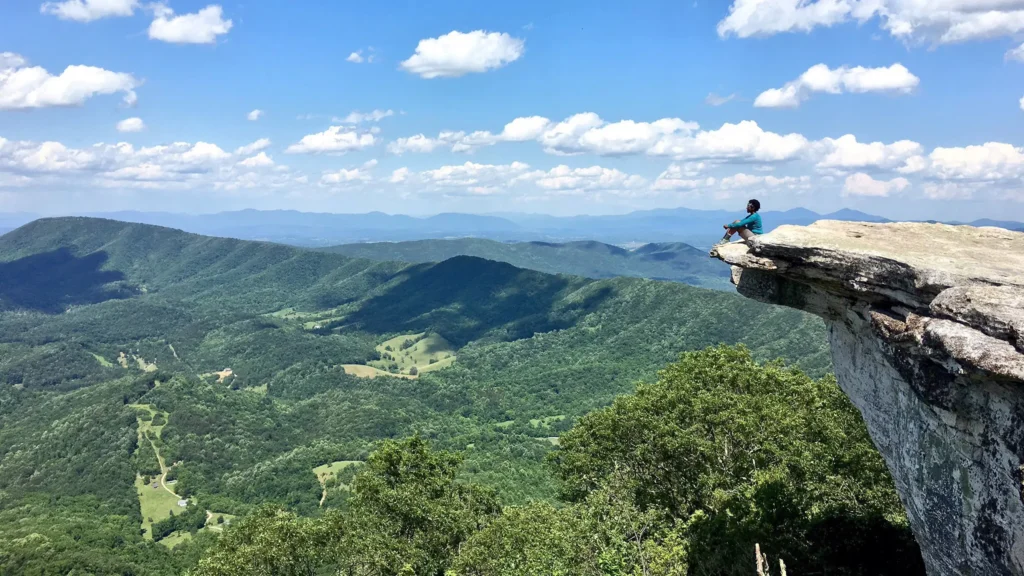
How Black Books Lit My Way Along The Appalachian Trail by Rahawa Halle
I started to leave books at shelters along the AT so that other hikers could read them as well… Zora Neale Hurston is in Walasi-Yi, mile 30.7, where roughly a quarter of all thru-hikers decide to call it quits. Yaa Gyasi was last seen at Peru Peak in Vermont. Ladan Osman is at Crazy Larry’s in Damascus waiting for next year’s Trail Days.
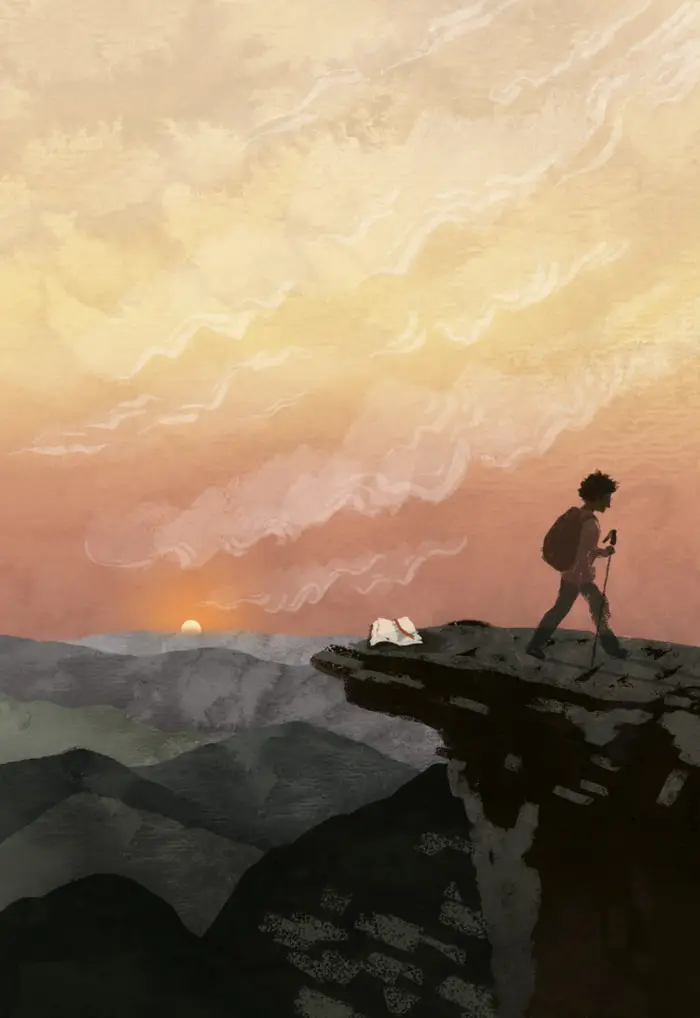
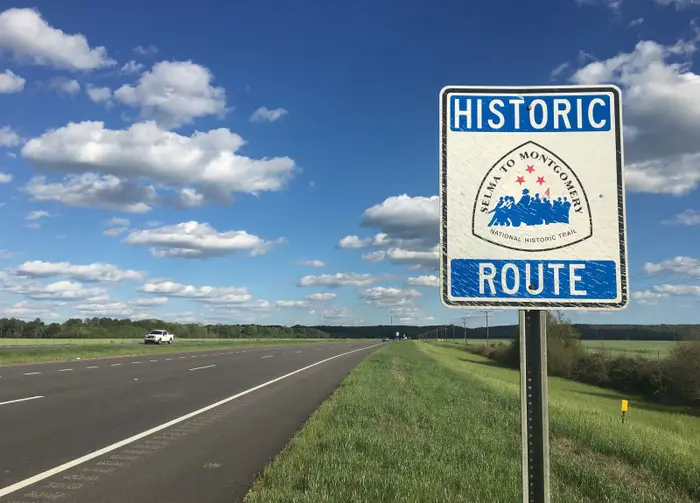
I Walked From Selma To Montgomery by Rahawa Halle
While the white hikers I’d shared the Appalachian Trail with from Georgia to Maine were busy planning their next adventures, each day in America under the new administration served as a reminder of the myriad ways I’d never be one of them. My feet were bound tighter and tighter by the dual diseases of vanishing civil rights and threatened public lands.
Woman of Color in Wide Open Spaces by Minda Honey
I’d decided to spend four weeks as a woman of color in wide-open spaces detoxing from whiteness. But when I pitched my tent, I hadn’t known that about 80% of National Parks visitors and employees are white. Essentially, I’d leapt from the Ivory Tower into a snowbank.
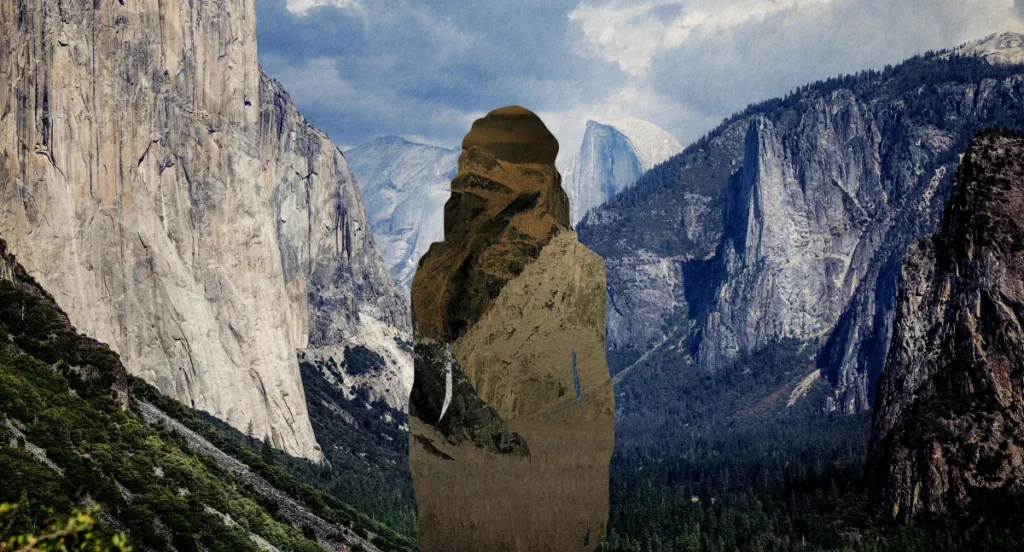
The strangeness of being a Latina who loves hiking by Amanda Machado
Whenever I’d tell my parents about a backpacking trip in the wilderness, my parents joked about the irony: As immigrants, they had worked all their lives to ensure I had a roof under my head and presentable clothes to wear.